Casey Simon · 7 November 2026
Synergies between emerging enterprises and farming achievements reshape Hazelridge's economic landscape
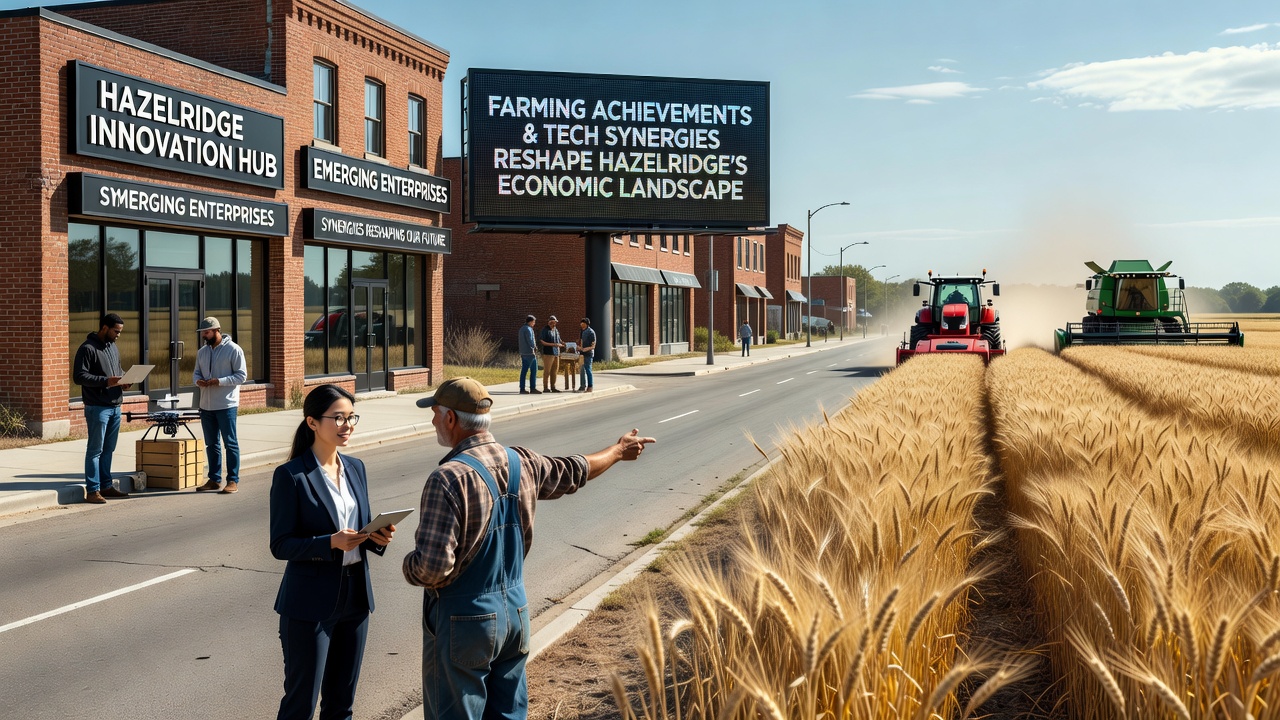
Emerging enterprises have formed partnerships with local farms in Hazelridge, creating integrated supply chains that extend from field production to value-added processing and distribution networks. These collaborations have produced measurable shifts in employment figures, with data from the November 2026 regional economic report indicating a 14 percent increase in agribusiness-related jobs compared to the previous year. Farms that adopted precision agriculture tools developed by startup firms reported yield improvements averaging 22 percent across corn and soybean operations.
Partnership models driving growth
One enterprise developed sensor networks that monitor soil moisture and nutrient levels in real time, allowing farmers to adjust irrigation schedules and fertilizer applications based on field-specific data. Another company established a shared logistics platform that coordinates harvest collection across multiple properties, reducing transportation costs by an estimated 18 percent according to internal audits shared with the US Department of Agriculture. These arrangements differ from traditional supplier relationships because the technology providers receive equity stakes in crop outcomes rather than fixed service fees.
Local grain elevators have expanded their facilities to include on-site milling and packaging operations managed jointly with the new enterprises. This vertical integration has enabled direct contracts with regional food manufacturers, bypassing intermediate wholesalers in several documented cases. Production records from the 2025 harvest season show that participating farms achieved consistent quality metrics that met the specifications required for these contracts.
Workforce and infrastructure developments
Training programs launched in partnership with the local community college have prepared residents for roles in equipment maintenance and data analysis specific to the new agricultural technologies. Enrollment in these certificate courses reached 187 participants by October 2026, with 72 percent securing positions within six months of completion. Infrastructure upgrades, including expanded broadband coverage along rural routes, have supported the data transmission needs of both farms and the associated enterprises.
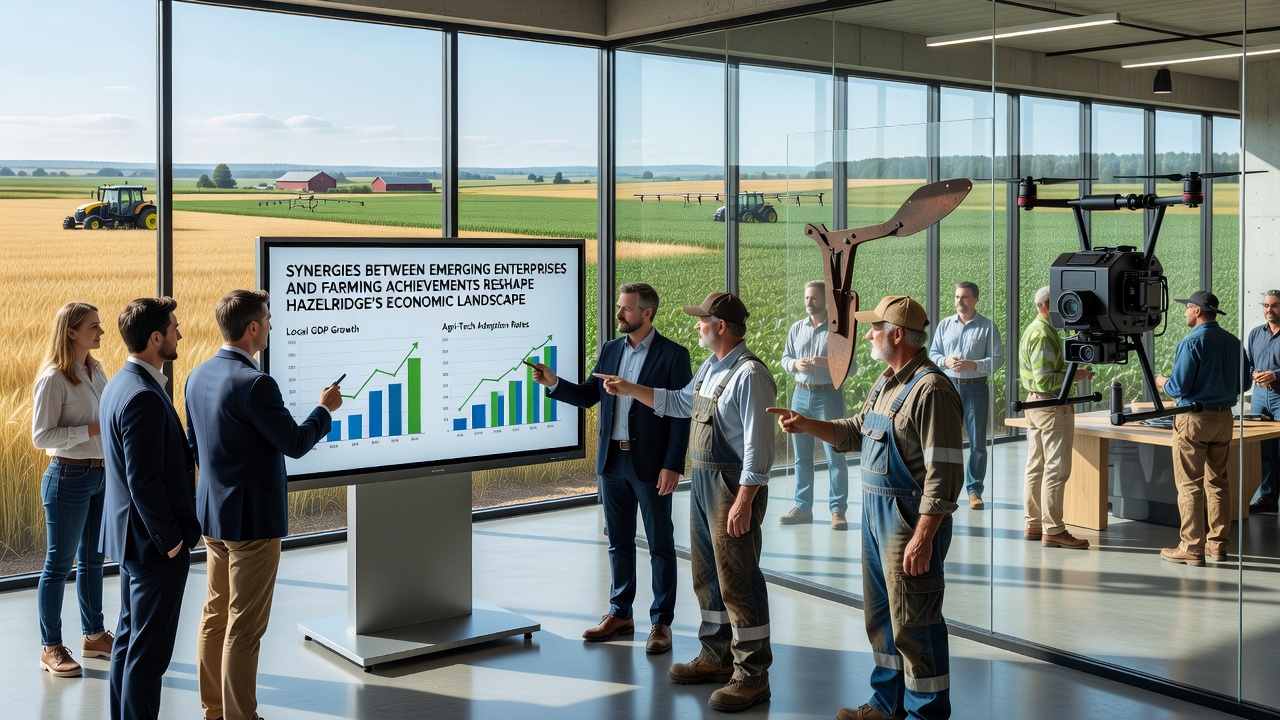
Observers have noted that the concentration of these activities has attracted ancillary businesses such as equipment repair shops and packaging suppliers to establish locations near the main farming districts. Property tax assessments for agricultural parcels equipped with the new technology systems rose by an average of 9 percent in the most recent county evaluation cycle. These increases reflect documented improvements in land productivity rather than speculative valuation changes.
Market access and export channels
Joint ventures have opened access to export markets through compliance with international phytosanitary standards facilitated by the enterprise partners. Shipments of processed soy products to facilities in the European Union increased by 31 percent in the first three quarters of 2026 compared with the same period in 2025, according to trade data compiled by the Canadian Agricultural Partnership monitoring program. Local cooperatives that adopted the shared platforms reported reduced spoilage rates during transit, preserving margins that previously eroded under longer supply timelines.
Financial institutions operating in the area have introduced specialized lending products tied to verified yield data from the sensor networks. Loan approval rates for farm expansion projects improved because repayment projections could reference actual performance metrics rather than historical averages alone. This approach has allowed smaller operations to scale without relying solely on traditional collateral requirements.
Conclusion
The documented linkages between emerging enterprises and established farming operations continue to generate incremental economic activity across Hazelridge. Employment gains, infrastructure investments, and expanded market reach appear as recurring outcomes in the available records through late 2026. Continued monitoring of these metrics will clarify the longer-term distribution of benefits among participating entities and the broader community.