Casey Simon · 24 October 2026
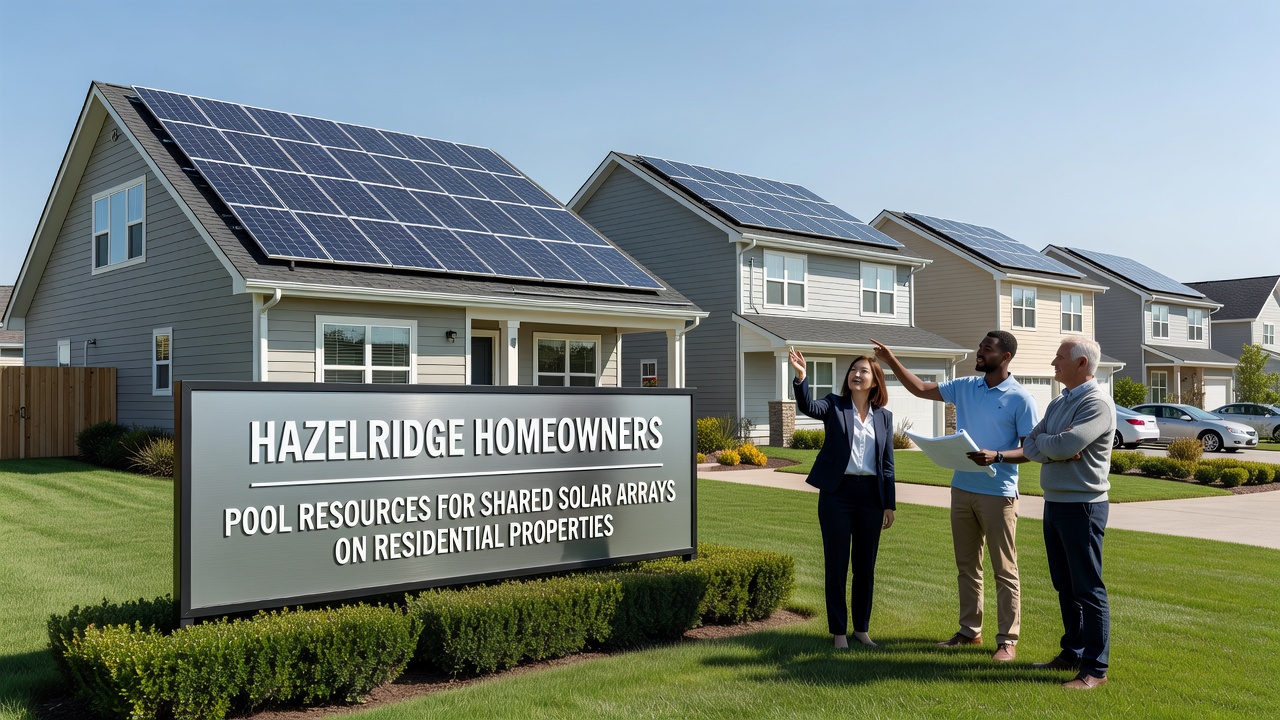
Hazelridge Homeowners Pool Resources for Shared Solar Arrays on Residential Properties
Residents across Hazelridge have started pooling financial resources to develop shared solar arrays on residential properties, and this model allows multiple households to access solar power through collective investment rather than individual installations. The approach connects several homes to a single array system that distributes generated electricity among participants, while property owners contribute based on expected usage shares. Data from the U.S. Department of Energy shows community solar projects have expanded in suburban areas because they reduce upfront costs for each participant and address limitations like shaded roofs or rental situations.
Project Structure and Participation Process
Participants form informal cooperatives or join established neighborhood groups that handle permitting, contractor selection, and ongoing maintenance agreements, and each member signs a contract outlining their financial stake along with the percentage of power allocated from the array. Engineers assess available roof space or ground areas suitable for panels, then calculate output projections using local sunlight data before finalizing array size. In October 2026 the first cluster of five properties completed interconnection with the local utility grid, which marked a turning point because it demonstrated how shared systems could integrate without requiring major infrastructure upgrades from the provider.
Financing typically combines personal contributions with low-interest loans secured through the cooperative, and some groups have accessed rebates available for multi-user renewable installations. Observers note that this pooling method spreads risk across participants, yet it also requires clear governance rules to manage disagreements over repairs or changes in household energy needs. Researchers at the Australian Renewable Energy Agency have documented similar residential solar sharing arrangements in suburban Melbourne, where output monitoring apps help members track real-time generation and adjust consumption patterns accordingly.
Technical Setup and Grid Integration
Shared arrays in Hazelridge usually consist of photovoltaic panels mounted on one or two central rooftops within a block, connected through inverters that convert direct current to alternating current for household use. Excess generation feeds back into the utility grid under net metering policies, which credit participants for surplus power at established rates. Utility representatives have confirmed that these systems undergo the same interconnection reviews as single-home solar setups, although the application now lists multiple account holders instead of one.
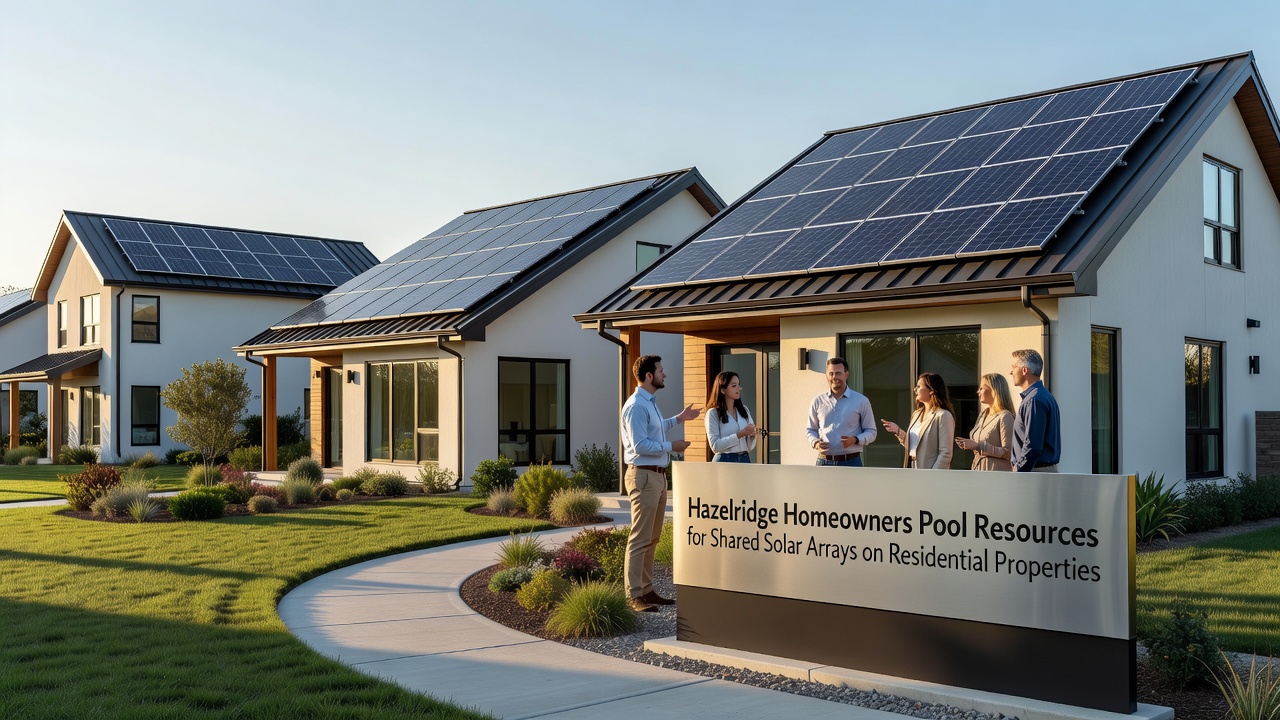
Installation crews coordinate with local building departments to meet safety codes, and they install separate meters for each participating household so that billing accurately reflects individual draw from the shared source. Maintenance contracts cover panel cleaning, inverter checks, and vegetation management around ground-mounted sections, while costs divide proportionally among members. Studies indicate that shared arrays maintain comparable efficiency to standalone systems when sited properly, and Hazelridge's relatively flat terrain has proven advantageous for minimizing shading issues between neighboring structures.
Regulatory Framework and Community Response
Local zoning ordinances permit shared solar on residential lots provided total array coverage stays within defined square footage limits, and the city planning office has issued guidance documents that outline application requirements for multi-owner projects. Participants report that navigating these rules became easier after the planning department created a dedicated review track for cooperative renewable installations. Figures from the Canadian Renewable Energy Association reveal that similar residential pooling efforts in Ontario suburbs achieved average payback periods of seven to nine years when combined with provincial incentives.
Neighborhood meetings have focused on educating residents about contract templates and insurance considerations, and several groups have invited utility staff to answer questions about billing integration. Data collected through the October 2026 pilot showed consistent performance across varying weather conditions, which encouraged additional blocks to begin their own feasibility assessments. Those who have joined existing cooperatives emphasize the importance of selecting trusted neighbors for the initial core group because long-term cooperation depends on transparent decision-making processes.
Conclusion
Hazelridge's shared solar arrays demonstrate how residential property owners can collectively adopt renewable energy through pooled resources, and ongoing projects continue to refine governance models and technical configurations. The October 2026 milestone provided concrete performance data that other neighborhoods now reference when evaluating participation. Regulatory support and utility coordination have helped scale these initiatives, while external research from multiple regions offers benchmarks for cost and output expectations. As more clusters form, the pattern suggests residential solar sharing will remain a practical option for communities seeking distributed generation without requiring every home to host its own panels.